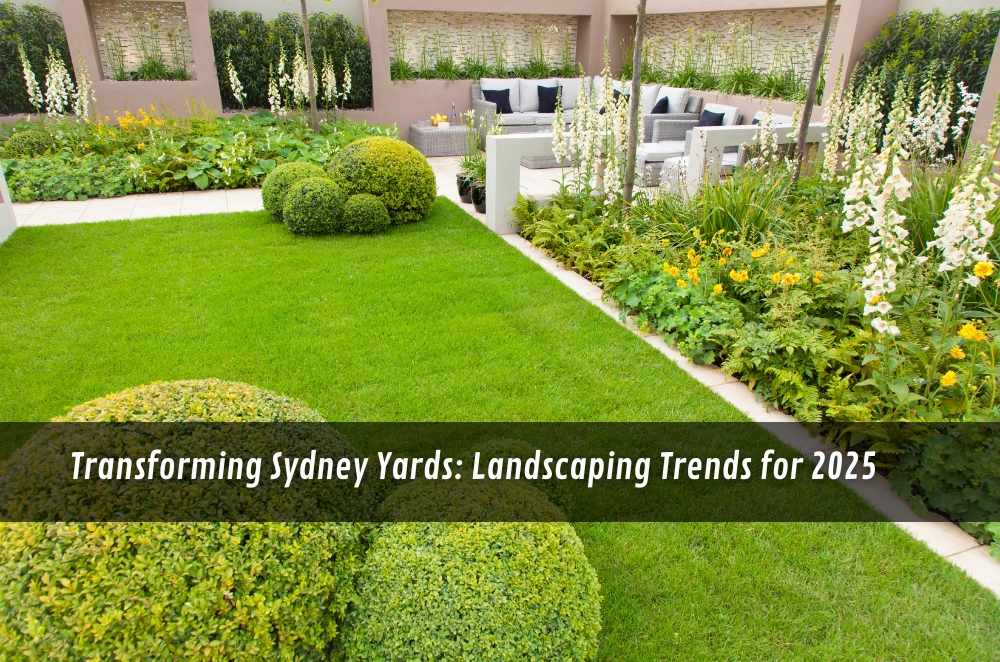
Thinking about giving the backyard a new lease on life this year? Good call. Sydney’s heat, sudden downpours, and tight blocks mean the best gardens aren’t flashy—they’re clever. If you’re comparing teams for Sydney residential landscaping, don’t just chase the gloss. Ask how they’ll handle drainage, shade, and staging so you can build in sensible steps, not blow the budget in one hit.
What’s actually shaping Sydney gardens now
Let’s be honest: trends are nice, but your lawn still has to survive a February scorcher and a June cold snap. The real drivers in 2025?
Water’s tight. More drip, less spray. Mulch that doesn’t blow away the first southerly.
Heat’s biting. Pale pavers and shade where it counts—especially that brutal western sun.
Smaller blocks, bigger expectations. We’re squeezing outdoor rooms, veg beds, and play space into postage stamps. It’s doable if you stack the design right.
Quick yarn. Last January in Ryde, a family called about water pooling at the back door after every storm. The yard looked tidy—too tidy. Solid paving everywhere. We didn’t rip it out. We cut discreet channels, laid a sub-surface drain, swapped two slabs for permeable pavers, then stitched a shallow swale planted with lomandra and westringia. Nothing dramatic. Just smart. The sandbags they kept behind the laundry? Gone by Easter.
Navigating approvals without losing weeks
Sydney gardens aren’t a free-for-all. Some jobs sail through as “exempt development”, others need a proper pathway. When I’m scoping a concept, I always check the basics so no one’s waiting around for approvals they could have dodged.
Start here: NSW Planning’s overview of approval pathways—handy to keep bookmarked under landscaping services in NSW.
What typically trips people up:
Paving and hardstand. Small areas may be exempt, but only if you respect setbacks, drainage, and site coverage.
Decks/pergolas. Heights and setbacks matter. Nudge over a limit, and you’re in DA territory.
Fences and screens. Heights, materials, and bushfire overlays—don’t guess.
Trees. Councils have rules. If you’re near bushfire zones or dealing with significant canopy, double-check before you prune.
This isn’t legal advice, obviously. But build with the rules in mind from day one, and you’ll save yourself a punishing back-and-forth.
Materials and planting that cope with Sydney’s mood swings
Sydney’s microclimates can be fickle—coastal breeze out east, hot bowl inland, frost pockets up the hills. Your palette should bend with them, not fight.
Coastal and salt-kissed zones
Plants: westringia, coastal banksia, carpobrotus, myoporum.
Materials: stainless fixings, powder-coated aluminium, low-porosity porcelain.
Basin heat pockets
Plants: crepe myrtle for summer canopy, callistemon, lomandra, kangaroo paw, olives.
Materials: pale paving, sails or light pergolas, deciduous shade to block that 3–6 pm blast.
Hills and frost dips
Plants: correas, hardier grevilleas, micromyrtus, leptospermum.
Materials: raised beds for cold-air drainage, compacted gravel paths that don’t turn into ice rinks at dawn.
Water-wise doesn’t mean “desert chic”. You can still have lush:
Group plants by thirst. Keep the divas together.
Run dripline under 50–75 mm of mulch. Set a smart controller; tweak seasonally.
Mix natives with Mediterranean herbs—rosemary, thyme, oregano—so the yard smells like dinner on a Sunday arvo.
If you’re researching broader xeric ideas, skim drought-tolerant landscaping nearby to build a shortlist before you settle on a scheme.
Design moves that punch above their weight
Forget gimmicks. These are the little shifts that make small Sydney yards feel bigger, cooler, and more useful.
Permeable, pale hardscape. Off-white porcelain, light exposed aggregate, and permeable sub-bases. Cooler feet, happier stormwater system.
Living shade. Slender steel frames with bird-safe wires for climbers now; canopy trees for proper shade later. Slow burn. Worth it.
Blended levels. Lawn → steppers → low deck. No awkward high steps, no trip hazards in the dark.
Lighting with scenes. “Dinner”, “Work”, “Kids”—three presets. One tap.
Screens with airflow. Timber battens or mesh frames so breezes still sneak in, but the neighbours don’t.
Another client—Marrickville Terrace, skinny courtyard. They wanted colour and privacy, but no jungle vibe. We ran a wire trellis down one side for bougainvillea (dwarf variety), then repeated dwarf banksia and kangaroo paw in low, staggered planters. Café table on sliders so it tucks away when the kids drag out the chalk. The whole space reads calm, not cluttered. And they’re out there every second evening, rain permitting.
Realistic budgets, staging and timeframes
Even modest backyards can behave like mini building sites. Best way to keep your sanity? Stage it.
Where the money hides
Groundwork and drainage. The boring bit. The important bit.
Hardscape. Paving, retaining, steps, edges—that’s your cost anchor.
Structures. Decks, pergolas, privacy walls.
Softscape. Soil, plants, turf, mulch—less scary than hardscape, but still adds up.
Irrigation and lighting. Not just the fixtures—the brains (controllers, transformers).
Staging that won’t bite you later
Do all underground services first—power, water, drainage.
Hard surfaces second, with conduits stubbed for future lighting.
Plant structural trees and hedges early; infill can wait a season.
Leave intention for future features (spa, pizza oven). Saves ripping up brand-new paving next year.
If you’re short on inspo while you plan, a quick browse for a landscape designers in Sydney can help you narrow down materials and mood before you start getting quotes.
DIY vs pro: Choose your battles
Plenty you can handle on weekends. Plenty you shouldn’t.
DIY-friendly: planting, mulch, dripline tweaks, simple edging, veggie beds, painting screens.
Get a pro for: excavation, complex drainage, retaining walls, boundary structures, electrical, and anything near stormwater.
When you brief a pro: ask how they’ll handle runoff, where the fall is going, what’s exempt vs not, and how they’d stage to protect cash flow.
I’ve walked onto “finished” yards where the surface fell towards the house. Looked schmick. Performed like a bathtub. The fix costs more than doing it right the first time. Lesson: levels and water first. Always.
Maintenance that doesn’t chew up your weekends
We want easy, not hands-off. There’s a difference.
Irrigation that behaves: dripline under mulch with a smart controller and a rain sensor. Baseline program, little seasonal nudges.
Mulch with purpose: not bark confetti. Coarse, stable, 50–75 mm. Top up annually.
Pruning rhythm: light and often beats the big hack every spring. Plants stay compact; you keep your Sunday mornings.
Seasonal habit list:
Autumn: feed, re-mulch, check drainage after the first big downpour.
Spring: test irrigation, check pests, refresh annual colour.
Summer: shade cloths at the ready for shock weeks; deep, infrequent watering.
Winter: soil conditioning, tool maintenance, plan changes for the next stage.
A family in Caringbah used to hand-water for an hour every second night. Swapped to drip and a simple weather-based controller. Water use dropped, lawn calmed down, and they got their evenings back. Quiet win.
A simple action plan (print this bit)
Write the brief. What will you do out there, and when?
Map constraints. Sun, wind, neighbours, pets, access, drainage.
Zone it. Dining, play, work, veg. On paper, first—boxy drawings are fine.
Pick a tight palette. Two or three hard materials; six to ten reliable plants; one hero tree.
Sanity-check approvals. Cross-check your concept against NSW’s exempt rules before you fall in love with a pergola that needs a DA.
Get comparable quotes. Same scope, same materials, same assumptions. Apples to apples.
Stage smartly. Underground → hardscape → structures → softscape → tech.
Keep it ticking. Small, regular maintenance beats the giant “garden guilt” weekend.
When you’re ready to sanity-check drainage, plant choice, or staging, reach out to a local specialist in residential searching for “landscaping near me” and ask them to map a two- or three-step plan. No hard sell. Just a roadmap you can actually follow.







Write a comment ...